
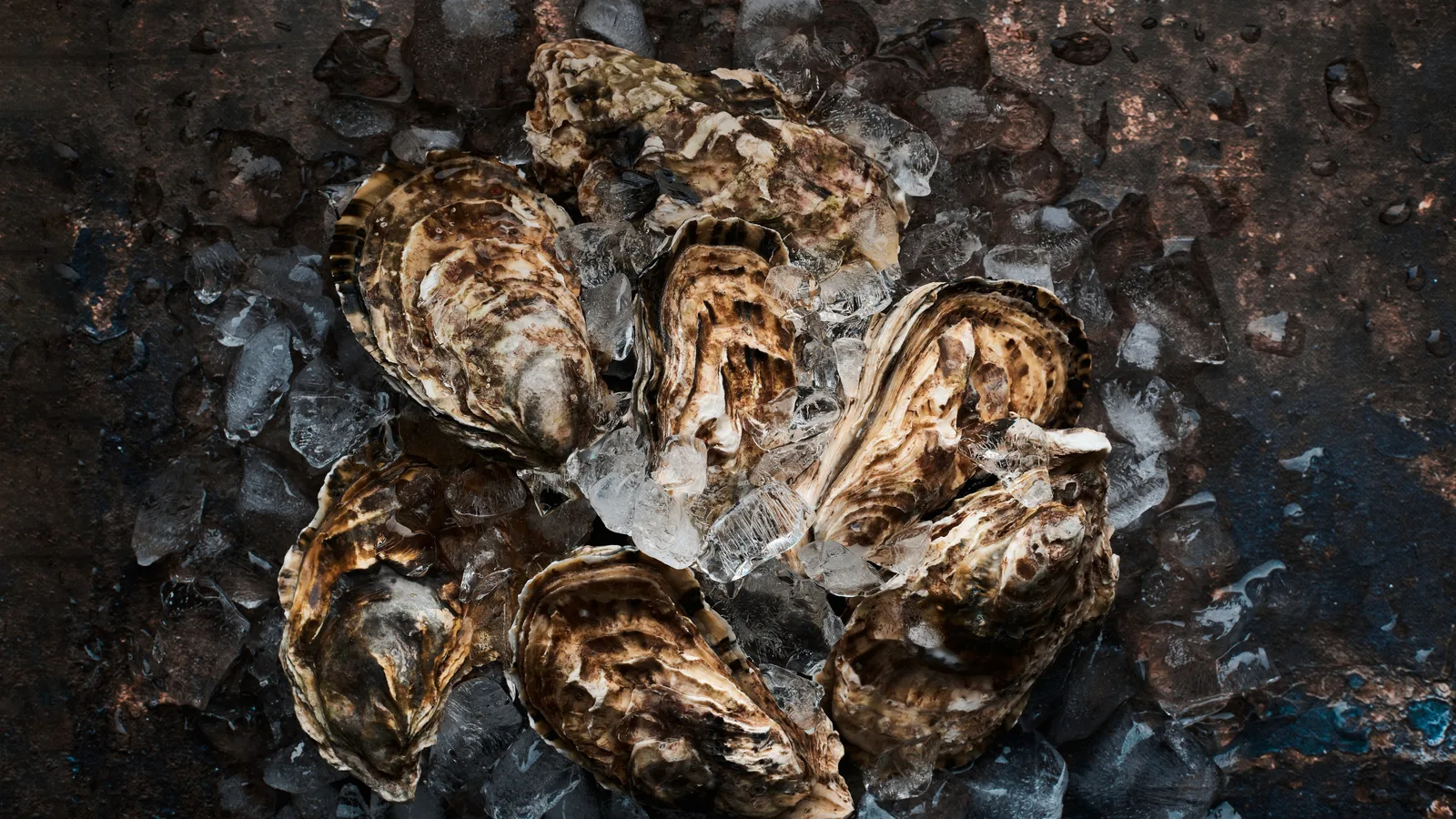
The Oyster Fest has its weekend. The 43rd edition of the East Coast's largest waterfront festival returns to Oyster Bay on Saturday and Sunday, October 17 and 18, spilling across the streets of the hamlet and Theodore Roosevelt Memorial Park with food courts, amusement rides, craft vendors and a crowd the town says can reach 200,000 over the two days. And this year the festival's namesake gets a round trip: the town is recruiting volunteers to catch every discarded oyster and clam shell before it hits the trash, so the empties can be cured and planted back in the harbor as home for the next generation of shellfish.
Two days, one hamlet, six figures of visitors
For scale, consider what the weekend does to a hamlet of about 7,000 people. The festival, run by the Town of Oyster Bay in partnership with the Oyster Bay-East Norwich Chamber of Commerce, draws visitors from across the tristate area, and the town puts the potential crowd at 200,000. That makes it the largest waterfront festival on the East Coast, held in a downtown where the water is never more than a few blocks away and the park at the end of it is named for the president who once ran the country from his house up the hill.
It is also, structurally, a fundraiser. A festival this size throws off real money, and the event has long channeled proceeds to local nonprofit organizations, which is part of why the town and the chamber keep hauling it back year after year. Eating a dozen oysters on Audrey Avenue is, in the accounting sense, a charitable act. Few festivals make virtue this easy.
The shells go back in the water
The detail worth knowing this year is what happens after you eat. The festival takes part in the town's shell recycling program, and the mechanics are better than the name suggests. Collection stations around the festival hold separate bins for regular trash and for shells. Volunteers at each station help visitors sort, so oyster and clam shells that would otherwise ride a garbage truck to a landfill get pulled aside. From there, town aquaculturists truck the shells to a curing facility, where they sit for months. Once cured, the shells are placed back into the harbor at chosen spots, where they do the one thing an oyster shell does better than any engineered material: give young shellfish something to grow on.
Baby oysters need hard surface to attach to, and old shell is the surface they evolved for. More shell in the water means more oysters, and more oysters mean cleaner water, since a single adult filters dozens of gallons a day. It is a loop a festival built around eating oysters is uniquely positioned to close, and the raw material arrives by the ton, one shucked half shell at a time.
The town needs shell wranglers
The volunteer call went out this week. The town is looking for people to staff the collection stations in three hour shifts, with slots running from 10 a.m. to 7 p.m. on both festival days. The job is identifying shells, keeping the bins honest and explaining to curious festivalgoers why their empties are headed back out to the bay. Volunteers earn community service hours, which makes this a genuinely useful weekend for any high schooler with a requirement to meet, and the town throws in giveaways. Anyone interested can reach the Department of Environmental Resources at 516-677-5943 or [email protected].
The local oyster is the point again
Last year's edition made a deliberate push to put the local oyster back at the center of the festival that carries its name, with more than a dozen Long Island oyster farms taking part. That matters because Oyster Bay is not a themed name; the harbor is one of the most productive shellfishing waters in New York, and the festival's signature contests over the years, shucking and eating both, have been fed by it. A festival that once could have been accused of importing its own mascot has been leaning back into the water it sits on, and the shell recycling program is the same idea carried one step further.
Mark the calendar
October 17 and 18, on the streets of Oyster Bay and through Theodore Roosevelt Memorial Park. Bring an appetite, expect company, and when you finish your half dozen, look for the bin with the shells in it. Yours are seed stock now.
Loading comments…