
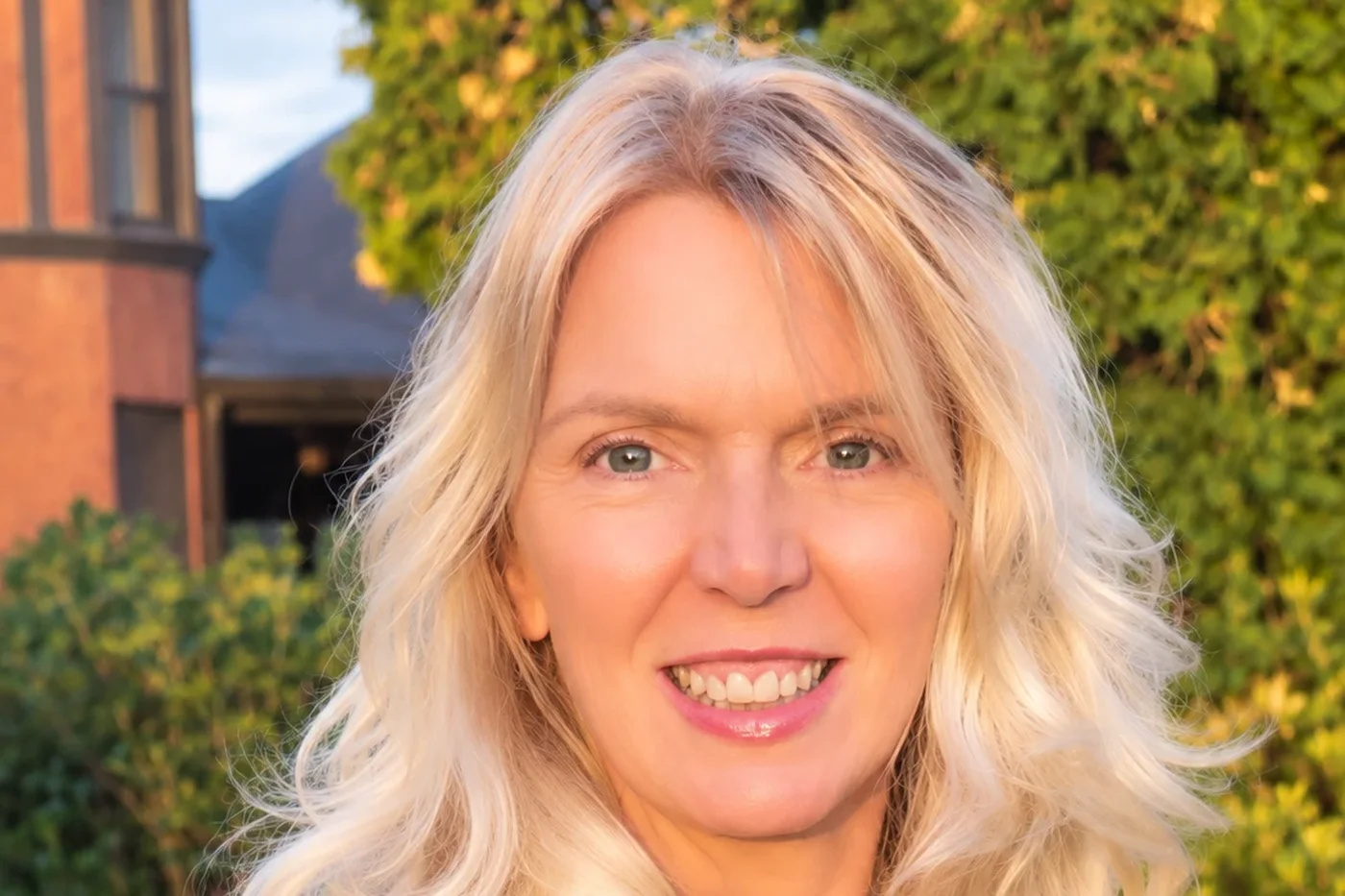
Ask Dr. Beth John what got her into chiropractic and the answer is her mother. Raised by a single mom with terrible back pain, she went along to every appointment, first to a chiropractor who made things worse and then to one whose different technique worked. That second doctor showed her the x-rays, the videos, the why behind every adjustment. "Nobody had ever explained the body to me like that," she says. She had planned on veterinary school. By the time her mother was better, she had a different plan.
More than thirty years later, that plan is a practice at 208 Route 109 in Farmingdale that serves the town, the North Shore and the East End, and it brings together three disciplines usually found in three separate offices: chiropractic care, functional nutrition and custom orthotics. What ties them together is one question. What is actually causing this?
A gentler kind of adjustment
Dr. John does traditional adjustments, but she has also spent years learning gentle, non-force techniques that release tension in the body's deeper tissues and in the spine. Often she uses them first, so the adjustment that follows is easier, more comfortable and goes deeper. With some patients she uses only the gentle work. "There are patients that don't like to be 'cracked' but want relief from their back or neck pain," she says. It suits seniors, children and anyone recovering from a disc injury or surgery, and she adjusts hands, wrists, ankles and feet as well, which matters to musicians and athletes.
Her rule is simple: "The technique should fit the patient, not the other way around."
Starting at the feet
The feet, she says, are the foundation. A foot that rolls in or out changes how a person walks, and those abnormal forces travel up through the knees, the hips and the spine. "You can adjust a spine beautifully, but if the feet underneath it keep pushing it back out of line, the adjustment will not hold." So she adjusts feet, works on restoring a normal gait, and when it is needed takes a professional cast and works with the lab on orthotics made for that person. One patient, a bartender, used to finish every shift with aching feet. Now he goes home without pain.
Where nutrition comes in
Chiropractic care could not reach everything she saw in practice: sinus trouble, memory problems, fatigue that had nothing to do with alignment. So she trained in functional nutrition. She builds each program from a patient's history, lab work, clinical presentation and muscle testing, and she is blunt about the cabinet of vitamins many people already own. "Why guess when you can know?"
Two people with the same diagnosis can get completely different programs from her, because, as she puts it, "a diagnosis is a name, not a cause." Order matters too: if the liver is struggling, she supports it before tackling a digestive problem, so the body is not asked to clear more than it can handle.
Why brain health
The work closest to her heart is cognitive. "Brain health is not simply about remembering where you put your keys," she says. "It is your connection to life." Someone with serious physical limits can still talk, read, paint and laugh with family; decline in the brain takes those things first. Too often, she says, memory changes are written off as part of aging without anyone asking whether a nutritional or metabolic factor is playing a part.
The case she tells most often is an 82-year-old patient she calls Tom, diagnosed with both Parkinson's and Alzheimer's. He was putting his head in his hands mid-conversation, wandering the halls of his assisted living home at night, and facing a move to a memory unit. Dr. John reviewed his records and labs and built a program of three supplements; his meals came from the facility kitchen, so his diet never changed. About five weeks in, his brother received a video of Tom up out of his wheelchair, dancing at an event. At two months he had his tax papers organized in a notebook and talked through them clearly. A couple of weeks after that came a text with a photo of him at a table, brush in hand: "He's painting!" He never went into the memory unit.
She is careful about what that story means. It was one man, on a program built for him, and he still reaches for a word now and then. Most memory complaints are far milder, like the 71-year-old musician who had started using cheat sheets for his lyrics at gigs. Two weeks into his program, he stopped needing them.
Working with the doctor, not around them
The same approach reaches beyond the brain. A 59-year-old patient who had been on a statin for eight years wanted to know whether nutrition could do the job. Dr. John's first instruction was to talk to her cardiologist, who agreed to a three-month trial off the medication and took baseline blood work. Three months on a program built from her labs, her total cholesterol was down 35 points, her LDL down 32, her triglycerides down 43 and back in range, and her liver enzymes headed back to normal. Her cardiologist kept her off the statin and continues to monitor her.
"I would never suggest anyone stop a medication on their own," Dr. John says. "That case worked because her doctor was part of it from the first day."
Two things to try this week
- Never eat a fast carbohydrate alone. Pair a rice cake or a piece of fruit with a healthy fat and some protein, like an egg or avocado, so blood sugar rises gently instead of spiking and crashing at three o'clock.
- Flip your meals. Eat a big, protein-rich breakfast and make dinner the lighter meal. One of her 80-year-old patients had her energy back within a week.
Her larger message is simpler still: never underestimate the role nutrition can play in your health, and look for the cause. "Covering a symptom up is not the same as listening to it."
Visit Dr. Beth John
Patients can come for chiropractic care, nutrition or orthotics, any one of the three, and nutritional consultations are also available by phone or Zoom. Dr. Beth John's office is at 208 Route 109, Suite 213, Farmingdale, NY 11735. Call 631-414-7575, email [email protected], or visit drbethjohn.com. A longer conversation with Dr. John appears in Creations Magazine.
This article is for general information and is not medical advice. Results vary from person to person; talk with your own health care provider before starting a supplement or changing a treatment.
Loading comments…