
Ask a salon owner on Long Island what they need and the answer is almost always new clients. It is rarely what the books actually say.
A salon that keeps a client through their sixth visit has usually kept them for years. A salon that loses them after the second has paid full price to acquire someone who never became profitable. Most owners can feel this. Very few have looked at how lopsided it is, because the second number is invisible in a way the first is not: an empty chair is obvious, and a regular who quietly stopped coming is not.
Why the second visit is where it breaks
The first visit is easy. Curiosity, a promotion, a recommendation. The client arrives with goodwill and low expectations.
The second is the real test, and it usually fails for reasons that have nothing to do with the work. Nobody booked them before they left. Nobody remembered what was done last time. The stylist they liked was not available and no one offered an alternative that felt considered. None of these are craft problems. All of them are process problems, and all of them are cheaper to fix than a month of advertising.
Rebooking happens at the chair or it does not happen
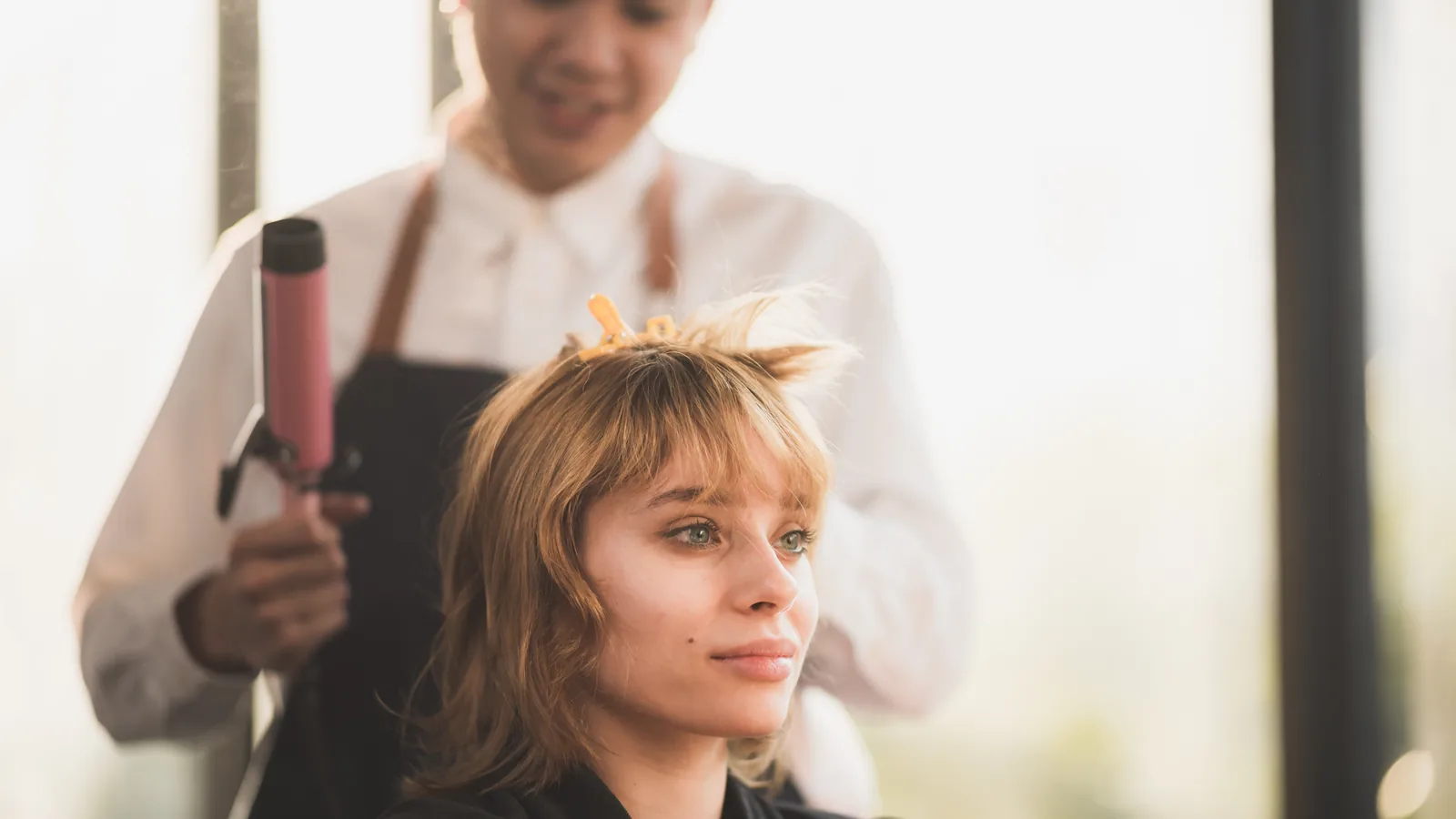
The single highest-value moment in a salon is the ninety seconds while a client is still in the chair, happy, looking at the result.
Ask then, specifically, and the answer is usually yes. Ask at the desk while they are digging for a card and it is a maybe. Ask by text three weeks later and you are competing with everything else in their week and with the salon that asked at the chair.
Owners often resist this because it feels like selling. It is not. A client who liked the result wants to know they can have it again, and telling them when to come back for the color to still look right is service, not pressure. The stylists who do this well have full books and it is rarely a coincidence.
The notes are the product
Formula, timing, what the client said they hated last time, the holiday they mentioned, the fact that they are growing out a fringe. Salons that keep this well feel to a client like being known, which is the thing that makes leaving expensive for them.
Salons that keep it in one stylist's memory have a retention problem the moment that stylist leaves, and on Long Island stylists do leave, often taking a client list with them. Notes held by the business rather than by the individual are the difference between a departure and a wound.
What to look at this week
- How many clients seen in the last quarter came exactly once. That number is the real acquisition cost.
- What share of clients leave with their next appointment booked. Track it by stylist, because it will vary enormously and the reason will be behavioral.
- How long since your regulars last came in. Anyone past their usual interval by half again has probably gone somewhere else and is worth a genuine message, not a discount blast.
Then, and only then, spend on new
Filling a chair with a stranger costs several times what it costs to bring back someone who already likes the work. A salon with weak rebooking that increases its advertising is buying more first visits into a process that converts too few of them, which is why the spend so often produces a busy month and no change in the year.
An agency working with salons and studios in this market should be asking about your rebooking rate before it asks about your budget. If it does not, it is selling you first visits, and first visits are the part you were already good at.
The chair was never the problem. The ninety seconds before they got out of it was.
Long Island Wave is published by Wave Agency.
Loading comments…