
There is a narrow finger of land reaching north into Noyack Bay, a mile and a half of sand, bluff and oak woods with water on both sides, and it belongs to the federal government. Elizabeth A. Morton National Wildlife Refuge sits at 2595 Noyack Road, on the Southampton side of the line from Sag Harbor, and it is the rare South Fork destination that asks nothing of you but four dollars and a pair of shoes you do not mind getting sandy.
It is also the most misunderstood piece of protected land on the East End, and the confusion starts with the name. Locals call it the Morton preserve, which makes it sound like a small parcel some family handed to a land trust. It is not. It is 187 acres, it has been a national wildlife refuge since 1954, and it is run by the U.S. Fish and Wildlife Service under rules that are stricter than most visitors expect.
The walk out to Jessup's Neck
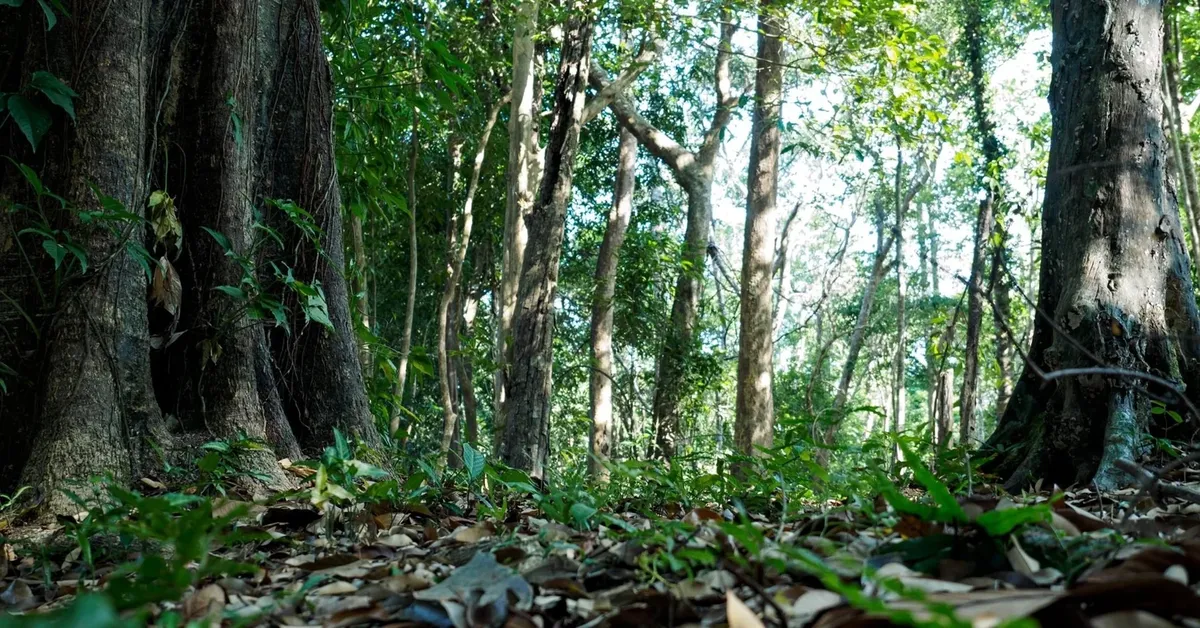
The refuge has one marked trail, the Wild Birds Nature Trail, and it runs about 1.2 miles through upland forest and field before it delivers you to the water. From there the walk continues along roughly two miles of beach, out along the spit toward the point, with Noyack Bay on one side and Little Peconic Bay on the other.
It is not a demanding walk on paper. What catches people out is the surface: soft sand and rounded cobble for most of the beach section, which is slower and more tiring than the distance suggests. Give yourself two hours for the full out and back, more if you stop to look at anything, and be honest about the return leg before you commit to the far end.
About the chickadees
Morton has a reputation, passed between families for decades, as the place where black-capped chickadees land on your hand. Hold out a palm of sunflower seed near the start of the trail and within a minute or two you will usually have a bird on your fingers. It is the single most photographed thing that happens here.
The refuge asks you not to do it. The Fish and Wildlife Service is direct about it in its visitor rules: do not feed wildlife, because it causes more harm than good, and do not leave bird seed on the trails, because seed left on the ground draws pests that are harmful to both the birds and the people who come to see them. Habituated birds also lose the wariness that keeps them alive in a landscape full of hawks and free-roaming cats.
This puts a genuinely beloved local tradition on the wrong side of the posted rules, and it is worth knowing before you arrive with a bag of seed and a child who has been promised a bird on their hand. The birds are still there either way. They are simply better watched than handled.
Leave the dog at home
Not on a leash. At home. The refuge does not permit pets at all, and the reason is the same one behind the seasonal closures: this is a nesting site for species with almost no margin left, and a dog on a beach reads as a predator to every bird on it. Plenty of visitors arrive having read otherwise on some listing page, and it is a long drive to turn around at the gate.
April through August, part of the beach is closed
Sections of the beach close from April 1 to August 31 every year to protect beach-nesting birds. Morton is nesting habitat for piping plover, a federally threatened shorebird, along with roseate, common and least terns. The closure is not advisory. Signs and fencing mark the line, and it moves depending on where the birds settle that season.
The waters off the refuge are also used by Kemp's ridley and loggerhead sea turtles, both protected. None of this makes summer a bad time to visit. It just means the far end of the spit may be off limits when you get there, and the trail through the woods is doing more of the work.
What you see, and when
The refuge stacks a lot of habitat into a small footprint: sandy and rocky beach, wooded bluff, upland forest, fields, ponds, salt marsh and lagoon. That variety is why the bird list is as long as it is.
In winter, the bay fills with sea duck. Long-tailed duck, common goldeneye, white-winged scoter, bufflehead and black duck are all regulars, and a cold, still January morning here is better birding than most of Long Island offers in June. March is the month for harbor seals, hauled out and visible from the beach if you keep your distance. Through spring and summer, osprey work the water overhead, and the wooded stretch holds eastern wild turkey, songbirds and chipmunks. White-tailed deer, painted turtles and green frogs round out what most visitors actually see.
Fishing from the shoreline
Shoreline fishing is allowed, and it is a legitimate reason to come rather than an afterthought. You need a New York State saltwater fishing registration, which is free. Striped bass, weakfish, flounder, bluefish and tautog are the species the refuge lists.
Ticks and poison ivy, both
The refuge states plainly that poison ivy and ticks are found throughout the property, and that is not boilerplate on the South Fork. Long pants, repellent in the warmer months, and a proper tick check when you get back to the car. Suffolk County remains one of the highest-incidence areas in the country for tick-borne illness, and a wooded peninsula surrounded by deer habitat is exactly the terrain where that matters.
Before you go
The refuge is open half an hour before sunrise until half an hour after sunset, year round. Entry is $4.00 for a vehicle and $2.00 for anyone arriving on foot or by bicycle, paid by envelope at the entrance, and an annual refuge pass is $12.00. A federal Duck Stamp, $25.00, also covers entry. Groups of more than 12 can request a fee waiver in advance.
Guided walks run occasionally through the year, and interactive family programs are usually offered on Saturdays during the summer. For dates, closures or anything that needs a person, the Long Island National Wildlife Refuge Complex answers at (631) 286-0485 or [email protected].
Go on a weekday morning in the shoulder season if you can. The parking area is small, the East End in August is the East End in August, and this is a place that rewards being the only one on the trail.
Loading comments…