
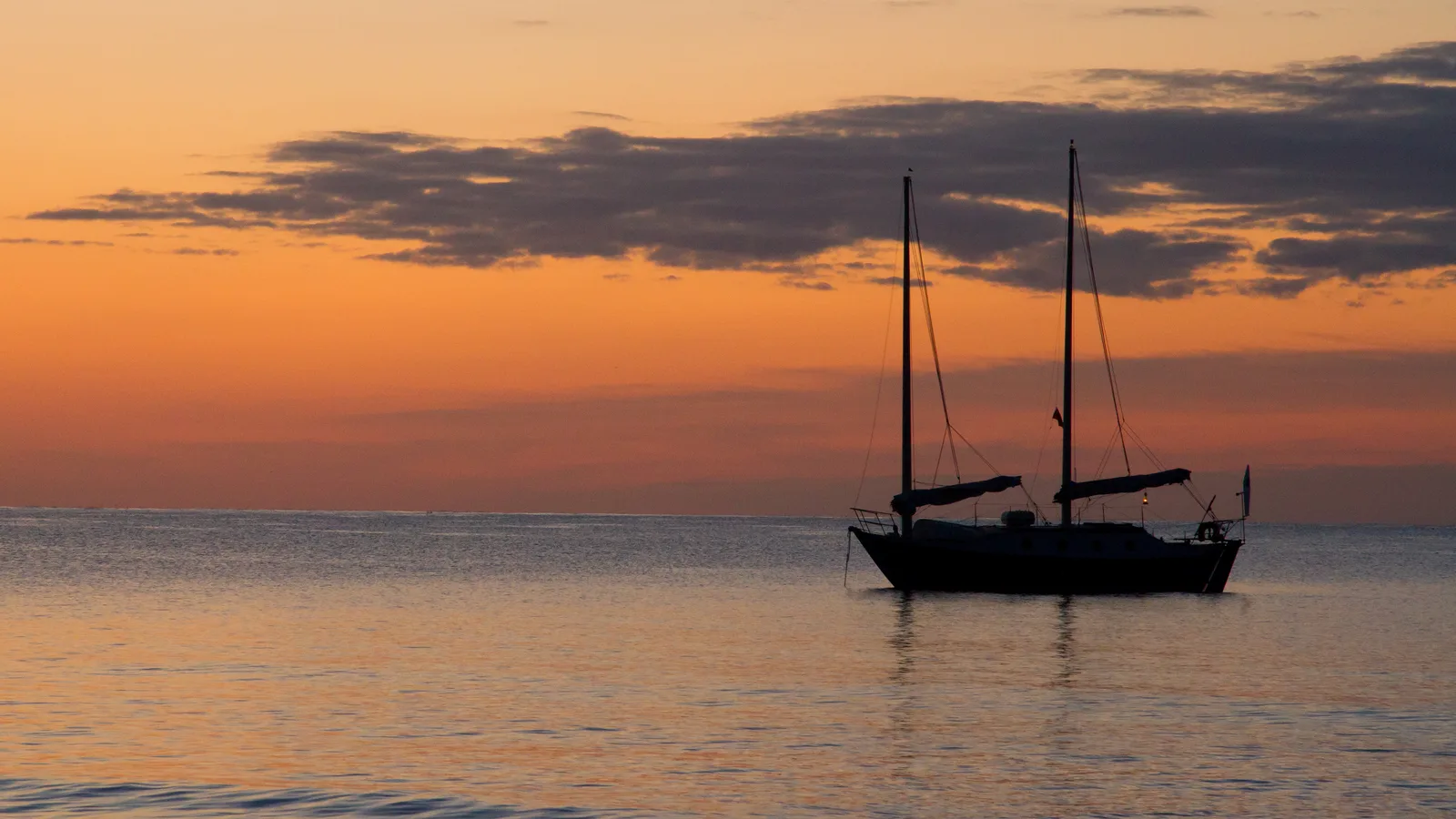
For the third summer running, Montauk will close out August in the company of the Amistad. Remembering La Amistad 1839, a four-day series of ceremony, conversation and film presented by the Eastville Community Historical Society and the Southampton African American Museum, returns Wednesday, August 26 through Saturday, August 29, and it opens where the history itself touched Long Island: on the shoreline at Culloden Point.
The date is not an accident. On August 26, 1839, the schooner La Amistad lay at anchor off that point, at the end of one of the most consequential voyages in American history. The opening ceremony lands on the anniversary itself, 187 years on.
Why Montauk is in this story
The Amistad story is usually told in courtrooms, but it reached the courts by way of a Montauk beach. In the summer of 1839, about 53 captives, most of them Mende people taken from what is now Sierra Leone, were being shipped between Cuban ports aboard the schooner when a young man remembered as Sengbe Pieh, later called Joseph Cinque in the American press, led an uprising that took control of the vessel.
The captives ordered the remaining crew to sail east, toward home. By day the schooner pointed toward Africa, and by night the men at the helm quietly steered it north and west. After nearly two months of that double game, the Amistad was off the tip of Long Island, out of water and provisions. Men from the ship came ashore at Culloden Point to resupply, some of the first hours of qualified freedom any of them had known in months, and it was there, on August 26, that a United States Navy brig seized the schooner and towed it to Connecticut.
What followed ran all the way up: a legal fight of a year and a half, a former president arguing for the captives, and in 1841 a Supreme Court ruling that the men and women of the Amistad had been illegally enslaved and were free. Late that year, the survivors who chose to sailed home. The beach where their American chapter began is a quiet stretch of Montauk that most people drive past without a second thought, which is much of the reason this week exists.
Four days, four gatherings
The week opens Wednesday, August 26 with a ceremony at Culloden Point from 4 to 5:30 p.m., set to traditional West African music: Yacouba Sissoko on the kora and Mamoudou Koanate on drums, played on the shoreline where the ship anchored. Organizers ask that attendees wear all white.
Thursday, August 27 moves to the Montauk Library at 871 Montauk Highway, where Diana Hernandez leads a community workshop from 4 to 5:30 p.m. on the Monuments Toolkit, a session about how communities decide what their monuments say and who they remember.
Friday, August 28 is the social heart of the week, an evening of chat, culture and community at the Montauk Playhouse on Edgemere Street from 6 to 8 p.m.
The series closes Saturday, August 29 at the Montauk Library with an afternoon block from noon to 5 p.m.: a screening of the 1997 Steven Spielberg film Amistad followed by a panel discussion featuring Dr. Georgette Grier-Key of the Eastville Community Historical Society, Brenda Simmons of the Southampton African American Museum and Candance Pinn.
The events are open to the public, and the organizers ask for reservations by email at [email protected].
The keepers of the story
That this commemoration lives on the East End is fitting. The Eastville Community Historical Society preserves the history of Eastville, the Sag Harbor neighborhood where free Black, Indigenous and immigrant working families built one of the region's earliest integrated communities in the 1800s, the same century the Amistad passed this coast. The Southampton African American Museum, its partner in the series, carries that work forward in Southampton Village.
For a reader deciding whether the drive to Montauk is worth it, the case is simple. Long Island does not have many places where national history happened within earshot of the surf, and it has exactly one where the Amistad story came ashore. For one week each August, that beach gets its due, with drums and a kora where there is usually only wind.
Loading comments…