
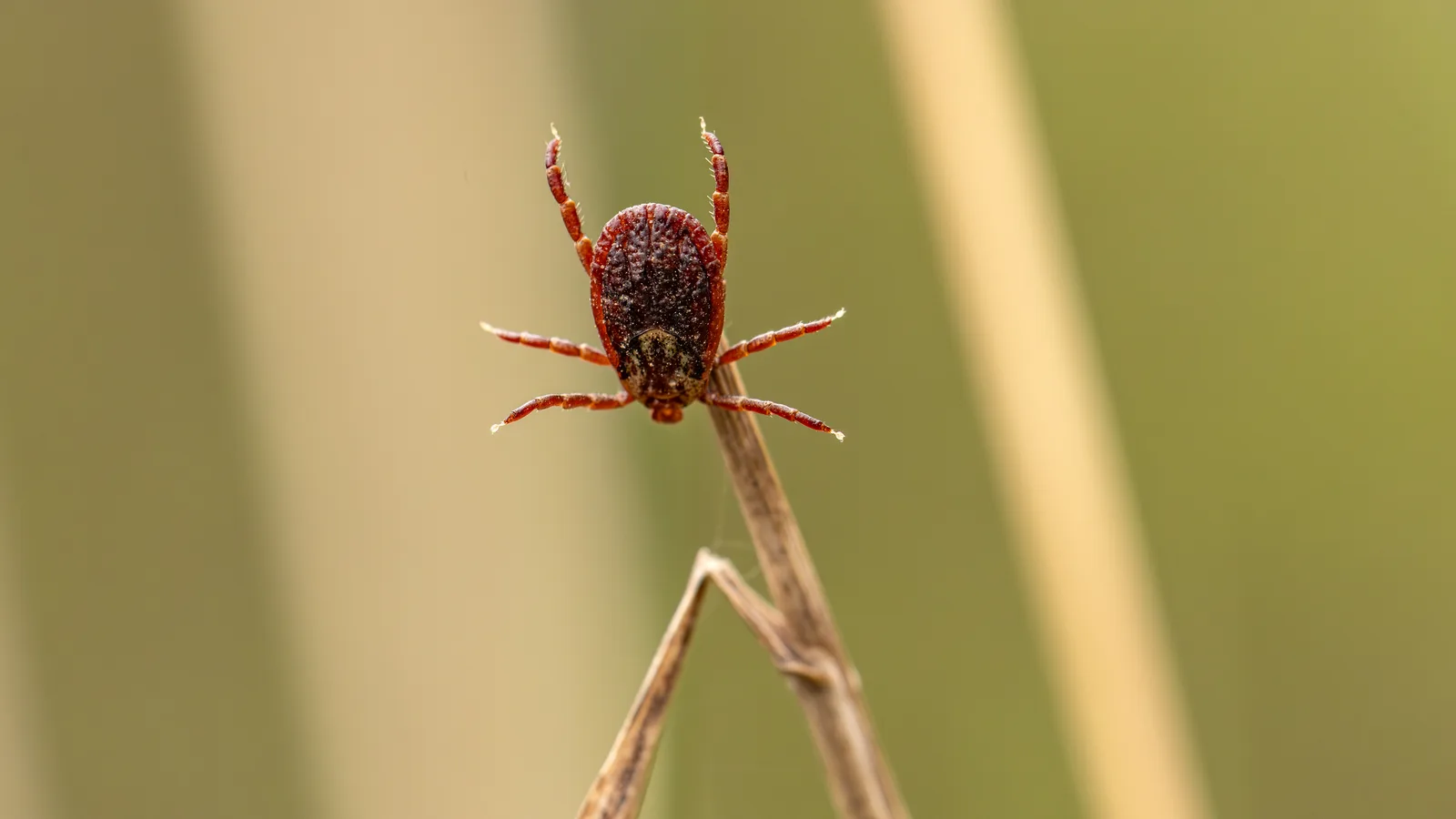
Suffolk County's health department has confirmed its fourth case of tularemia this year, the bacterial infection better known as rabbit fever. Four cases would be a rounding error for most diseases. For this one it is remarkable, because tularemia is one of the rarest infections New York tracks, and the numbers now show something specific happening here: Suffolk has recorded more rabbit fever since the start of 2024 than the county logged in the three decades before it.
A once-a-decade disease that stopped being one
The baseline comes from a study published in January in Emerging Infectious Diseases, the CDC's peer-reviewed journal, written by the New York State Department of Health together with Suffolk County's own arthropod-borne disease laboratory in Yaphank. Reviewing every confirmed and probable case from 1993 through 2023, the researchers found 30 in all of New York outside the five boroughs. Thirteen of the 30, about 43 percent, were in Suffolk County, and most of Suffolk's arrived in the last ten years of the study rather than the first twenty.
Then the last three seasons happened. By the county's own counts, Suffolk logged four cases in 2024, six in 2025, and now four in 2026 with the peak tick months not yet over. That is fourteen cases in under three years, against thirteen in Suffolk across the previous thirty. The state and county count cases in slightly different buckets, confirmed and probable, so the comparison is approximate, but the direction is not in doubt. A disease that used to show up here about as often as a leap year has become an annual event with a season.
What rabbit fever actually is
Tularemia is caused by a bacterium called Francisella tularensis, which lives in wildlife, especially rabbits, hares and rodents. People pick it up several ways. The two ticks most closely tied to it are both Long Island regulars: the lone star tick, the aggressive one that has taken over much of Suffolk in the last two decades, and the American dog tick. Deer flies can carry it. So can direct contact with an infected animal, which is why hunters, gardeners and anyone tempted to handle a sick or dead rabbit are on the standard warning lists. It can also be inhaled when the bacteria are thrown into the air, a route associated with mowing or trimming over an animal carcass hidden in the grass, which is worth a moment of attention from anyone who cuts lawns for a living.
What it is not is contagious. Tularemia does not pass from person to person, so four cases means four separate encounters with the bacteria somewhere in the county, not a chain of infection.
The illness usually announces itself three to five days after exposure with a sudden fever, and in the most common form an ulcer opens at the site of the bite or scratch while the nearest lymph node swells and aches. Untreated it can become serious, and the 30-year study counted one death in New York. Treated with the right antibiotics, and it responds well to common ones, people generally recover. The practical takeaway is simple: a summer fever plus a skin sore that will not heal plus a tender swollen node is a combination worth naming to a doctor, along with the words tick bite if you had one.
Why Suffolk, of all places
The study's authors point at ecology. Suffolk's mix of coastal scrub, deer, small mammals and explosive tick populations gives the bacterium places to circulate, and warming temperatures keep ticks active longer each year. The county's tick lab spent four years dragging cloth through Suffolk's parks and preserves to measure the risk directly, collecting 27,158 ticks and testing them in 3,220 batches. Exactly one batch came back positive, a group of lone star tick nymphs collected in Southampton in July 2020, from the site with the densest tick population in the entire survey.
That single positive out of thousands of batches is the most reassuring number in the study. The bacterium is out there, but it is scarce even where ticks are everywhere. The average tick bite in Suffolk carries plenty of risks worth taking seriously, Lyme first among them. Tularemia remains a long shot on any individual bite. The change is in the aggregate: enough bites, enough rabbits, enough summers, and a long shot starts landing a few times a year.
The playbook is the one you already know
Nothing about rabbit fever asks Long Islanders to do anything new. It asks them to actually do the things every tick-borne disease already asked. Repellent with DEET or picaridin on skin, permethrin on shoes and clothes if you spend real time in brush, a full-body tick check after the trail or the tall grass, and prompt removal with tweezers when you find one attached. Add the two habits specific to this disease: do not handle wild rabbits or rodents, alive or dead, with bare hands, and walk the yard before you mow it, because the mower is how a hidden carcass becomes something you breathe.
The county's numbers say rabbit fever now lives here rather than visits. The odds on any one afternoon outside remain overwhelmingly in your favor. The point of knowing the name, the symptoms and the two or three habits that block it is to keep them that way.
Loading comments…