
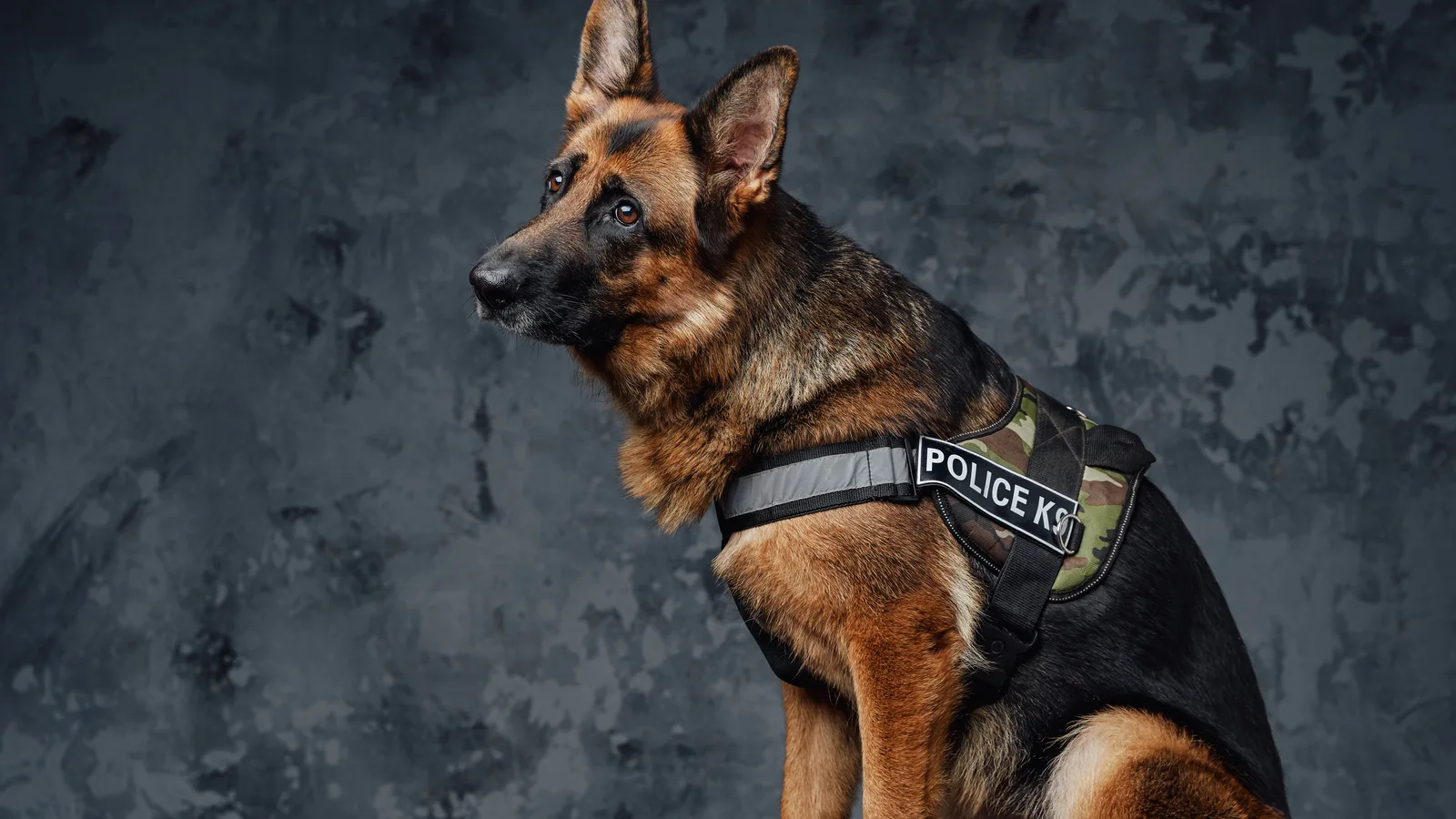
The police dogs of Suffolk County have a real home. County Executive Ed Romaine and Suffolk County Police officials cut the ribbon this week on a new facility for the department's Canine Section, replacing the temporary trailers that had housed the unit.
What the building has
The new facility is temperature controlled and watched by 24-hour surveillance, with dedicated training areas and kennels that run from indoors to outdoors, so the dogs can move between the two. Police Commissioner Kevin Catalina described the building as long overdue, giving the dogs modern accommodations with added safety features and giving their handlers a proper workspace for the first time.
The county designed and built the facility in-house rather than contracting the design work out, which the county says saved taxpayers $300,000 in design costs, and construction came in within budget. Romaine framed the project as part of keeping the county safe by investing in its public safety infrastructure now.
What the dogs actually do
The Canine Section's dogs are working police officers in nearly every sense. Before being certified for patrol, every dog in the unit completes basic training in criminal apprehension, evidence recovery, obedience and tracking. Each one then takes on a specialty: narcotics detection, explosives detection or human remains detection.
A few assignments go further. One of the department's dogs works at Long Island MacArthur Airport in Ronkonkoma as an explosives detection dog trained in vapor wake work, which means screening moving crowds rather than stationary bags. The department also fields its first dog trained in electronic storage device detection, a discipline developed about a decade ago by the Connecticut State Police. That dog is trained to detect a chemical found in electronic devices, letting it find hidden thumb drives, hard drives, phones and tablets that a human search might miss.
When they are not working, the dogs make school visits across the county, where the department uses them to show students what working dogs do.
The investment behind it
The Canine Section had operated out of temporary trailers until now, an arrangement the new building ends. With climate control, secure kennels and on-site training space, the dogs train, rest and stage for calls out of one purpose-built facility. For a unit whose members sleep in kennels rather than going home at night, the upgrade is the difference between borrowed space and a building designed around them.
Loading comments…