
Drivers on Old Montauk Highway have a new reason to slow down at Second House. A 2026 New York State historic marker, funded by the William G. Pomeroy Foundation and awarded to the Montauk Historical Society, now stands at 632 Old Montauk Highway, giving the house's history in a few lines anyone can read from the roadside.
What the marker says
The marker records that houses were built on the site in 1746 and again in 1797 for the shepherds who tended livestock on Montauk, and that the 1797 house went on to serve as an inn, a private home and a museum. It is a short summary of more than 275 years, and the details behind each line are worth knowing.
A house for the town's shepherd
For much of its colonial history, Montauk was common pasture. Farmers from East Hampton drove their cattle, sheep and horses out to graze on the open land each season, and the town's trustees hired keepers to live out there and watch the animals.
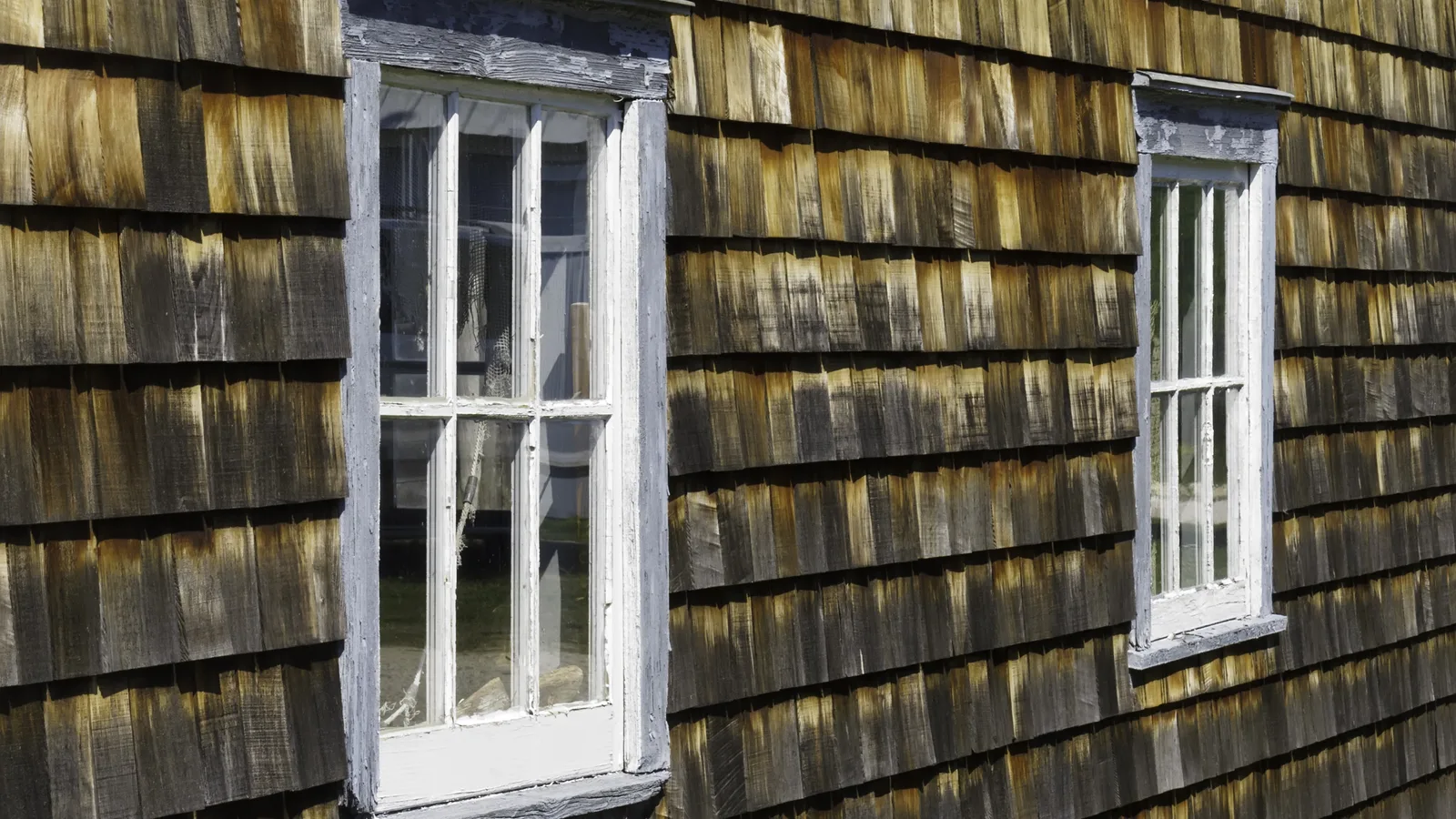
According to the Pomeroy Foundation, the trustees commissioned the first house on this site in 1746 for a town shepherd. In 1797 they replaced it with the building that stands today. It was first called the Fort Pond House, after the pond nearby. The name Second House came from its place in a line of three keepers' houses strung across Montauk: it was the one in the middle. Third House, the easternmost, still stands in what is now Theodore Roosevelt County Park.
Inn, home, museum
As Montauk began to draw visitors, the house changed with it. By the 1870s it was operating as an inn. It later became a private home. In 1968 the Town of East Hampton bought the property back, and the Montauk Historical Society has run it as a museum since.
The house was restored in 2018 in a major project, and the Pomeroy Foundation notes that the original foundation and structural beams are still in place. The building a visitor walks into today is, at its frame, the house the trustees put up in 1797.
About the marker program
The William G. Pomeroy Foundation, based in Syracuse, funds the blue-and-yellow roadside markers that have become a familiar sight across New York. Local historical groups apply with documentation of a site's history, and the foundation pays for the cast marker once it signs off on the history. The Montauk Historical Society was the grant recipient for Second House.
For Montauk, which is better known for its lighthouse and its beaches than for its colonial farm history, the marker puts the hamlet's pastoral past in front of everyone who drives in on the old highway.
Visit
Second House is at 632 Old Montauk Highway. The Montauk Historical Society, which also operates the Montauk Point Lighthouse Museum, posts museum hours, seasonal openings and programs on its website. The marker itself is outside and can be read any time.
Loading comments…