
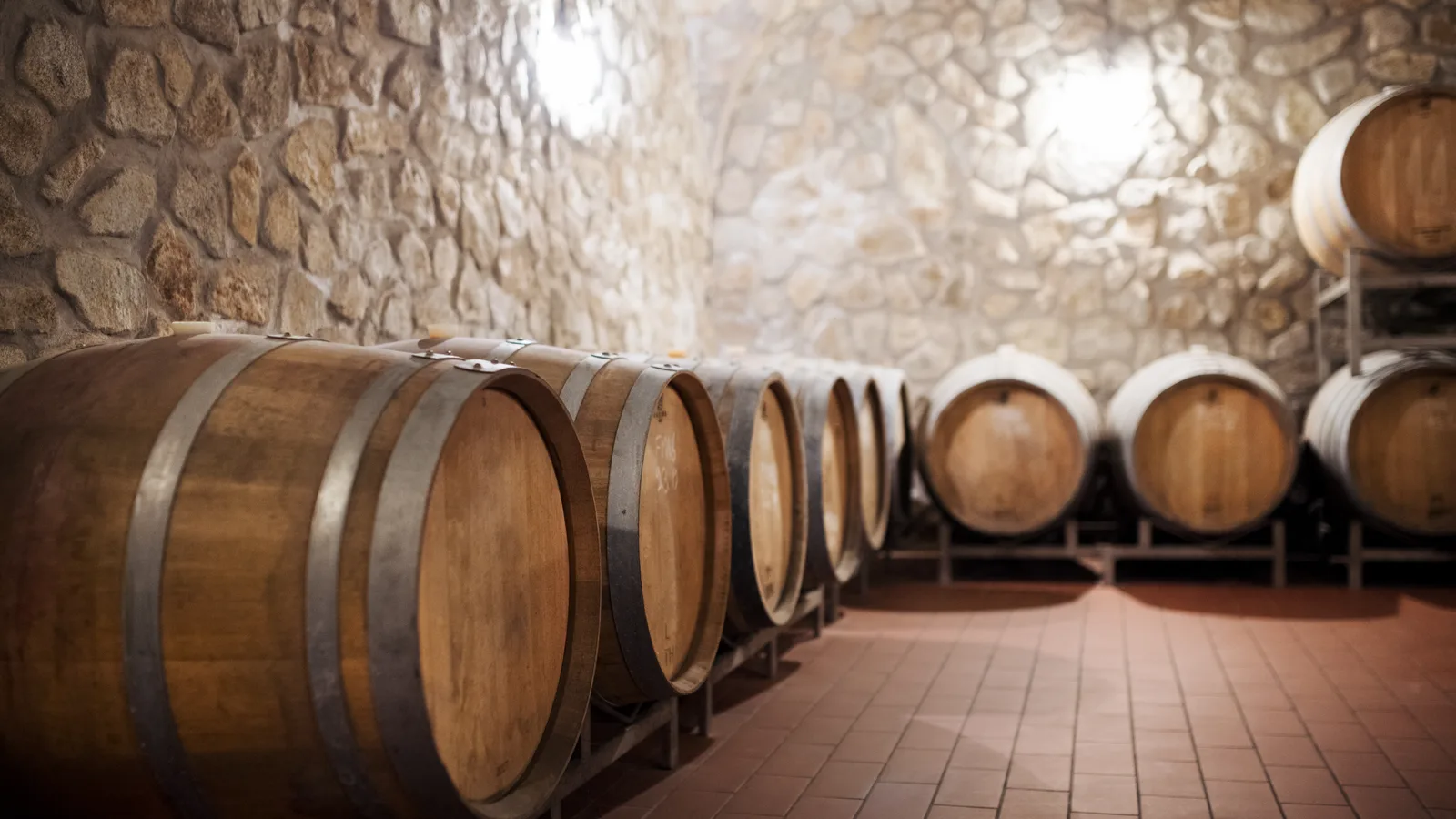
The most inventive alcohol producer on the North Fork is adding the one thing it did not already make. Starting October 1, Matchbook Distilling Company at 230 Corwin Street in Greenport, the building that already distills spirits and ferments cider, will be able to make wine as well.
For most producers a new capability is a footnote. For this one it is closer to a missing puzzle piece, because Matchbook is not a distillery in the way the word usually means on Long Island.
The drinks lab on Corwin Street
Founded in 2016 by distiller Leslie Merinoff Kwasnieski and her partners, Matchbook built its reputation on an unusual model: rather than pushing one house brand, it operates as a research and development facility that designs and produces custom spirits for bars, restaurants and beverage brands, many of them far from Long Island. Gins built around a single farm's botanicals, liqueurs and amari that exist nowhere else, one-off runs conceived with the bartenders who will pour them. The industry noticed; InsideHook named Matchbook its distillery of the year in this year's Spill Awards.
The production stack at Corwin Street tells the same story. The company already runs small-batch distilling, farm distilling and cider making under one roof, a combined craft operation it has been building since 2021. Wine joins that set next month, and it means the full range of fermentation and distillation, from cider to spirits to wine, can now happen under one Greenport roof.
Why the wine move is different
The details matter here. Most North Fork wine producers operate as farm wineries, which come with a condition: the wine must be made from New York grown fruit. Matchbook's new wine operation is the commercial kind, which carries no such restriction. That is the flexible version, the one that lets a producer work with whatever fruit a project calls for, from a Cutchogue vineyard's merlot to something no farm winery could touch.
Given how Matchbook works, that flexibility is the point. A facility that designs beverages to order was, until now, unable to say yes when the order involved wine, vermouth or anything else in the winemaking family. Starting October 1, it can.
Timing that writes itself
The change lands at the exact moment the North Fork turns its attention to grapes. Harvest on Long Island's wine trail begins in earnest in September and October, which means Matchbook's wine operation switches on in the very weeks that fruit is coming off the vines a short drive up Route 25 and Sound Avenue. Whether the first Matchbook wine project involves North Fork grapes is the company's news to make, but the geography could hardly be better arranged: an experimental production house, newly equipped to make wine, sitting in the middle of New York's most established wine region at picking time.
A busy year in Greenport
The wine addition caps an expansive stretch for the company. In June, Matchbook stood up Days Like These, its cocktail bar identity, at 305 North Road in Greenport, which began service July 1. Its tasting room on Corwin Street has become a fixture of Greenport's off-Main-Street draw, the place visitors go to taste spirits that will never appear in a bottle shop.
For readers keeping score of Greenport's remarkable year, this is another entry in a long list: a new butcher shop on Front Street, a hotel reborn as Oyster Estate, and now the village's drinks laboratory clearing the way to make wine. The East End's most walkable village keeps finding new things to be.
Nothing announced yet says what Matchbook will make first, and the company has not said whether visitors will see wine in the tasting room this fall. What is certain is capability: as of October 1, the village best known for boats and oysters will be home to a winemaker, and it is the least predictable producer on the Island.
Loading comments…