






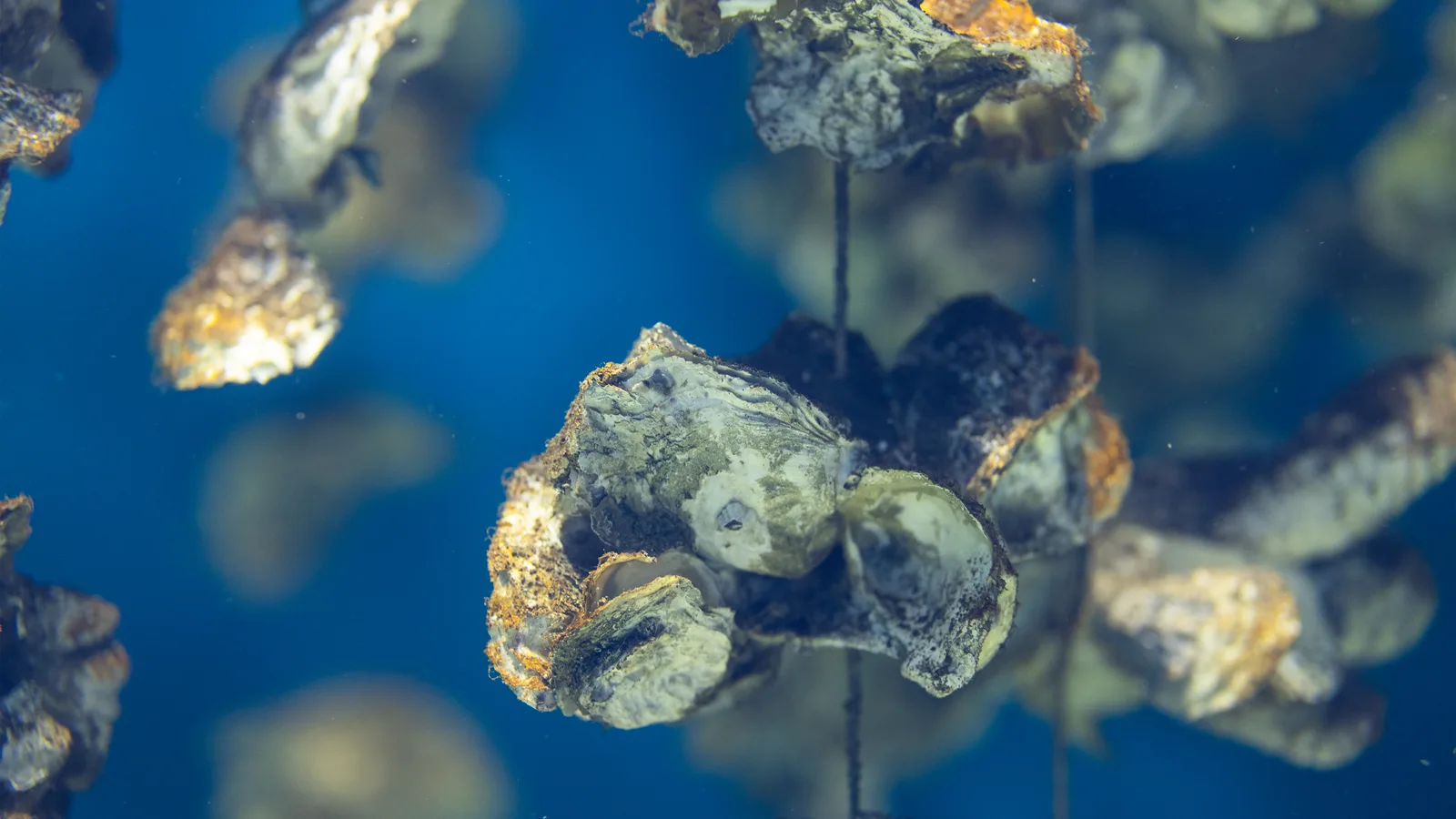
The Town of Islip has put about one million oysters and 200,000 clams back into the Great South Bay, all of them raised at the town's own Shellfish Culture Facility. The town's Department of Environmental Control announced the planting this week as the latest step in a restoration effort aimed at clearer water and healthier habitat in the bay.
What a million oysters do
The point of the planting is filtration. A single adult oyster can filter as much as 50 gallons of water a day, according to the town, which makes a bed of them a natural water filter for the bay. Clearer water lets more light reach the bottom, which supports underwater plants such as eelgrass.
Oyster reefs also give fish, crabs and other marine life places to feed and shelter, so a restored bed adds habitat as well as cleaning the water around it. The town describes the effort as protection for the long-term health of the bay and its biodiversity.
Islip Town Supervisor Angie Carpenter called the Great South Bay one of the community's greatest natural resources, and said the work at the Shellfish Culture Facility opens new routes for environmental protection, restoration and local business.
Where the shellfish come from
The oysters and clams were grown at the Town of Islip's Shellfish Culture Facility, the town-run hatchery that produces shellfish for restoration and to support local shellfish populations. Raising the seed at a town facility means the bay is being restocked from stock grown locally for that purpose.
The hatchery is in line for a major expansion. In June 2024, New York State announced $10 million toward a new regional shellfish hatchery for the town, located in East Islip, to replace the aging facility. The state said at the time that the existing hatchery produces 20 to 40 million clams and oysters, and that the new one is designed for roughly 100 to 200 million single-set juvenile oysters and clams plus about 500 million oyster larvae and spat-on-shell oysters.
What the new hatchery is for
The state framed the regional hatchery around four goals: growing the shellfish side of Long Island's economy, meeting regional demand for shellfish seed from growers, supporting restoration work like this month's planting, and making the coastline more resilient. A larger hatchery would let the town raise many times the shellfish it does now, which is the stock that plantings like this one draw on.
Where to follow it
The Town of Islip posts its shellfish and water quality news in the press release section of its website, and its Department of Environmental Control runs the Shellfish Culture Facility and the restoration plantings. Residents with questions can reach Town Hall, at 655 Main Street in Islip, at 631-595-3500.
Loading comments…