
Forty years is a long time to run a restaurant anywhere. In a downtown that has cycled through as many storefronts as Glen Cove's has, it is close to geologic. Last week the city made it official: El Tazumal, the Salvadoran restaurant at 6 Glen Street, marked its fortieth anniversary with a ribbon cutting thrown by the Glen Cove Downtown Business Improvement District and the Chamber of Commerce, four decades after Felipe Villatoro first opened his doors.
The celebration, held Friday, August 14, put a bow on something Glen Cove regulars have known for years. Long before pupusas showed up on food trucks and festival menus across Long Island, there was a small family dining room on Glen Street in the heart of the city's downtown, griddling them the way they are made in El Salvador and ladling out soups that take most of a day to build.
A restaurant named for a pyramid
The name is a postcard from home. Tazumal is the great Maya ruin in western El Salvador, a stepped stone pyramid outside the city of Chalchuapa that appears on murals, currency and restaurant walls wherever Salvadorans have settled. Hanging it over a doorway in Glen Cove in the 1980s was a statement of intent: this would be the real thing, not an approximation.
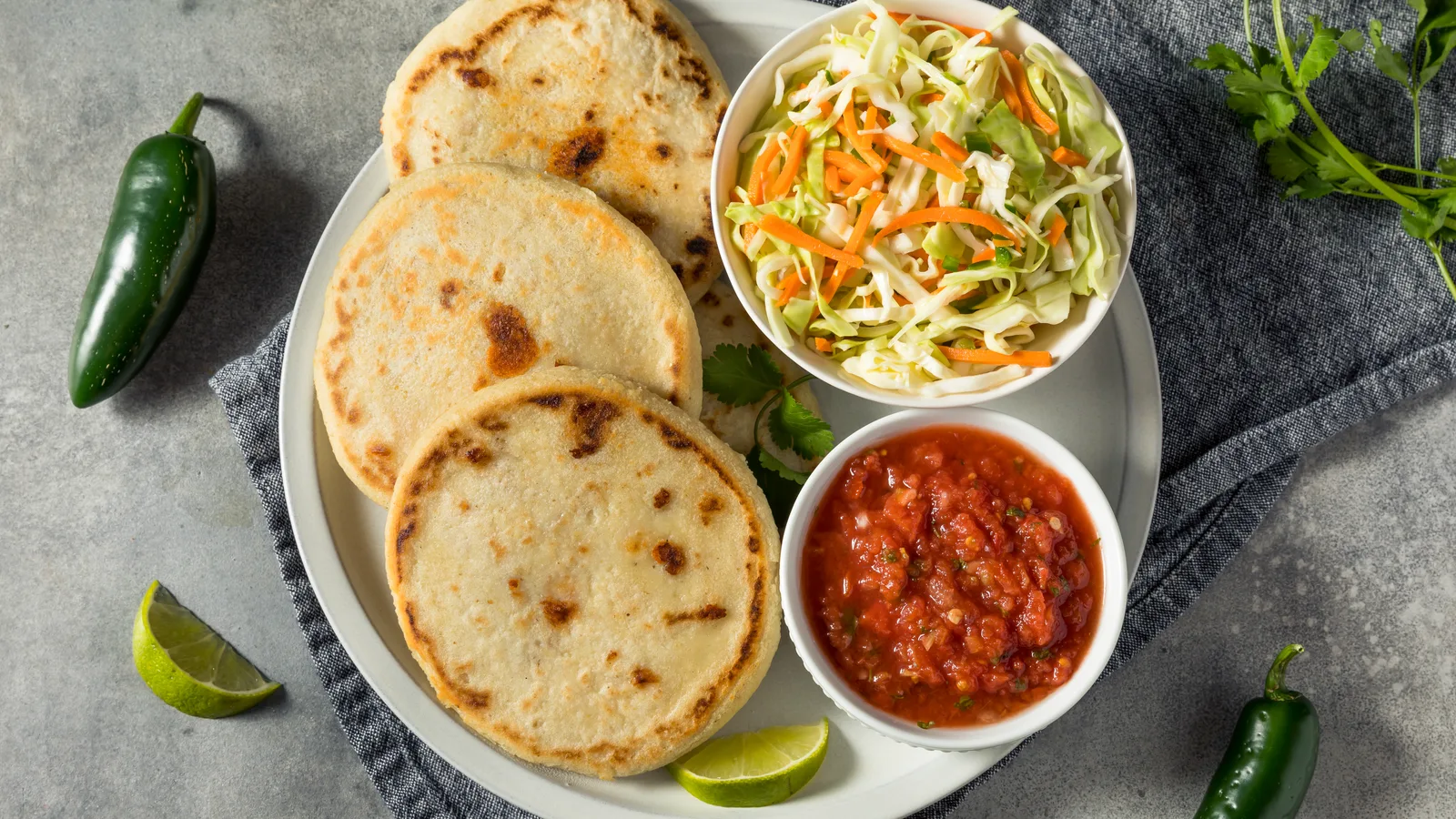
The menu has stayed true to that. The pupusas, thick corn rounds stuffed with cheese, beans or chicharron and seared until the edges crisp, remain the house signature, served with the fermented cabbage slaw called curtido. Around them orbit the soups and plates of the Salvadoran home table, portions that reviewers reliably describe as generous, at prices that have kept the dining room full of families rather than food tourists.
Still the Villatoros, still the same block
What the anniversary really honors is continuity. The restaurant that Felipe Villatoro founded is still run by Villatoros, with Edward Villatoro and the family behind the counter today, and it is still at the same downtown address where it started. The North Shore Hispanic Chamber of Commerce honored the elder Villatoro at its annual gala a few years back, a recognition that the little restaurant on Glen Street had become an institution well beyond its own dining room.
Glen Cove grew around it. The city's Central American community put down roots across those same four decades, and El Tazumal fed the arrival: the first jobs, the birthday parties, the Sunday dinners, the taste of Chalchuapa and Santa Ana for people building new lives a continent away from both. A restaurant that lasts forty years in one place stops being a business and becomes part of how a city remembers itself.
Why forty years is the hard number
Restaurant longevity statistics are grim everywhere, and independent immigrant-family restaurants operate with the thinnest margins in the industry. Making it to a fortieth year at one address means surviving every recession since the 1980s, a pandemic that closed dining rooms outright, and the quieter attrition of downtown retail that has emptied storefronts in every village on Long Island. It also means the second generation chose to stay, which is the step where most family restaurants end.
The city noticing matters too. Ribbon cuttings usually mark openings, the hopeful first day of something unproven. Glen Cove's downtown district cutting a ribbon for a restaurant's fifth decade inverts the ritual: the proof came first, forty years of it.
Go eat the pupusas
For readers who have somehow never been, El Tazumal sits at 6 Glen Street in downtown Glen Cove. Order the pupusas revueltas first, add the curtido without fear, and if the day's soup is available, get that too. Forty years of Glen Cove dinners are on the menu, and the family that started it all is still in the kitchen.
Loading comments…