
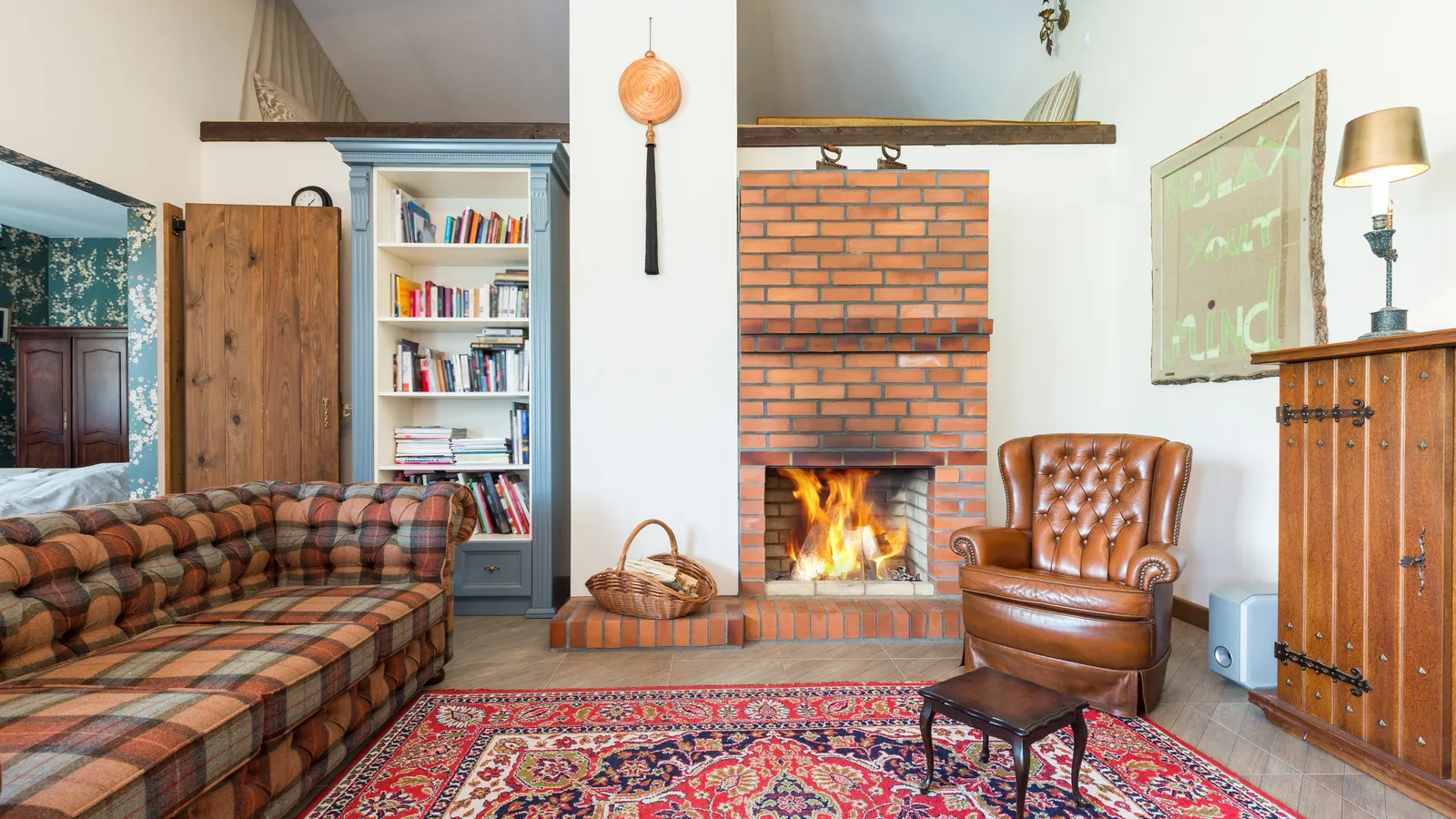
A small ranch house has been built inside the Alzheimer's Foundation of America's education center on Schleigel Boulevard in Amityville, and nobody lives in it. It is a model home, laid out like the suburban houses most Long Island families know, and every room in it has been arranged to show what can be changed to make a home safer and easier for someone living with dementia.
What the model home is for
The foundation opened the house this fall at its Barbara Rabinowitz Education and Resource Center, which it runs as its Long Island base. The point is practical. Most people with dementia live at home, usually cared for by a spouse or an adult child, and most of the adjustments that help them are inexpensive: different lighting, clearer labels, a rearranged cabinet. Seeing them in a real room is easier than reading about them.
The house tells the story of a fictional couple. George is a 79-year-old veteran with Alzheimer's disease who has periods of confusion, restlessness and anxiety. Mary is his wife and his caregiver. Each room shows a problem the couple would run into and a fix that costs little or nothing.
The ideas behind each room
The foundation organizes the house around a handful of design principles that run through its caregiver guidance.
- Finding the way. Picture labels, visual cues and strong color contrast help a person identify rooms, doors and objects. The foundation notes that the ability to tell two similar colors apart fades as dementia progresses, so contrast does more work than words or numbers.
- Familiar things. Photographs, music, decorations and personal belongings reinforce who someone is and keep a room feeling like theirs.
- Light. Even lighting that cuts down on glare and shadows reduces confusion, and lights that brighten and dim through the day help with sleep.
- Independence. Simpler layouts, organized belongings and everyday items within reach let a person keep doing things for themselves.
- Safety without a cage. Fewer tripping hazards, plus sensors and door locks that a caregiver can manage quietly, protect someone while still letting them move around their own home.
- Purpose. Space for activities tied to a person's lifelong interests and roles.
- The caregiver. Organized supplies, simpler routines and a place to rest for the person doing the caring.
The foundation has run a similar teaching space in Manhattan, a model studio it calls The Apartment, since 2021. The Amityville house brings the idea to a layout that looks like a Long Island home rather than a city apartment.
The center in Amityville
The Barbara Rabinowitz Education and Resource Center at 149 Schleigel Boulevard also hosts the foundation's Long Island community classes, which are free and require registration for each attendee. The foundation's helpline, staffed by social workers, is open seven days a week from 9 a.m. to 9 p.m. Eastern at 866-232-8484, by phone, text or chat.
How to visit
Families can schedule a tour of the model home by calling the center at 631-223-4000. The foundation's online guide to creating a dementia-friendly home covers the same principles room by room for anyone who cannot make the trip.
Sources
- Alzheimer's Foundation of America: announcement of the Amityville model home
- Alzheimer's Foundation of America: Barbara Rabinowitz Education and Resource Center community classes
- Alzheimer's Foundation of America: Creating a Dementia-Friendly Home
- Alzheimer's Foundation of America: The Apartment, model dementia-friendly residence (2021)
Loading comments…